Why Choose Us?
Professional Team
Jupiter is a frozen food supplier who is specialized in serving retailer. Our professional team comprises experts with extensive experience in the frozen food industry, ensuring that we understand the unique needs of our clients.
Quality Control
Quality is always our top priority at Jupiter. We implement rigorous quality control measures for each product to ensure they meet both safety standards and customer expectations. In addition to collaborating with reputable third-party inspection companies that conduct thorough evaluations of our products, we have established an independent audit system designed to monitor compliance continuously.
High Quality
By controlling the raw material quality from seed selection through cultivation processes, we are able to provide superior products that meet stringent quality benchmarks for our customers. Our commitment extends beyond just sourcing, we maintain complete traceability records for all ingredients used in production, allowing us to track every step of the supply chain efficiently.
Research and Development
Our Research and Development department plays a crucial role in assisting customers or manufacturers with new product research initiatives aimed at innovation within the frozen food sector. By leveraging market trends and consumer insights, we explore new selling points tailored specifically for different industries.
Frozen mixed vegetables consist of three or more succulent vegetables, properly prepared and properly blanched; may contain vegetables (such as, small pieces of sweet red peppers or sweet green peppers) added as garnish; and are frozen and maintained at temperatures necessary for the preservation of the product.

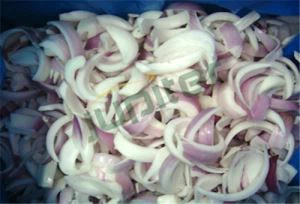
Ingredients: Diced Carrots, Bean Sprouts, Cabbage, Onion cuts, Red pepper, Spicy Sauce etc.

Frozen Edamame Salad Packed in 300g tray. Ingredients: Carrot, Mung Bean Sprout, Cauliflower, Cabbage, Edamame Shelled, Bamboo Shoots, Green Bean, Onion, Shiitake Mushroom, Corn oil, Ginger etc.

Ingredients: Purple sweet potato, Green Beans, Carrots, Wheat flour, Potato starch, Corn flour, Sugar, Salt.

Frozen Longline Pacific Cod Loins 140-160g
Product Description: Longline Pacific Cod Loins MSC certified, skinless, boneless, 125g+/-25g, no treatment, IQF.


Frozen Green Asparagus Spears S Grade
Product Description: Dia.: +/- 8-10mm. Length: 15-17cm. (Tolerance 14-16cm, 1-2 counts/kg)

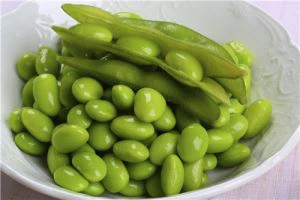
Frozen Peeled Edamame 500g Bag
Product Description: Edamame Variety: Taiwan 75-3 Diameter: 8~18mm 5~12mm, visual senses to uniform size.

Why We Love Frozen Mixed Vegetables
While fresh vegetables are the optimal choice, they're not always the most practical. They can be expensive, the quality can vary and your favorites might be seasonal and hard to find, especially right now.
They're fast: Frozen can often be prepared quickly and with little effort, making them a great option when you're strapped for time. Unlike my roasted vegetables recipe that takes nearly an hour, with frozen you're done in half the time.
Year round availability: They are readily available all year round, unlike fresh veggies that are usually seasonal, like butternut squash and brussels sprouts.
Healthy: Vegetables are generally frozen at their peak and immediately after harvesting, so they retain most if not all of their nutrients.
Easy on your wallet: Frozen mixed vegetables are budget friendly; you can usually get a bag of frozen mixed vegetables for a few dollars, sometimes less.
They last longer: They have a longer shelf life, and will remain fresh in your freezer for up to 6 months, sometimes longer.
Grade A is the quality of frozen mixed vegetables in which each basic vegetable possesses similar varietal characteristics; in which all vegetables possess a good color, are practically free from defects, possess a good character, possess a good flavor and odor; and that score not less than 90 points when scored in accordance with the scoring system outlined in this subpart.
Grade B is the quality of frozen mixed vegetables in which each basic vegetable possesses similar varietal characteristics; in which all vegetables possess a reasonably good color, are reasonably free from defects, possess a reasonably good character, possess a good flavor and odor; and that score not less than 80 points when scored in accordance with the scoring system outlined in this subpart.
Grade C is the quality of frozen mixed vegetables in which each basic vegetable possesses similar varietal characteristics; in which all vegetables possess a fairly good color, are fairly free from defects, possess a fairly good character, possess a fairly good flavor and odor; and that score not less than 70 points when scored in accordance with the scoring system outlined in this subpart.
How to Cook Frozen Mixed Vegetables
Saute
Heat a large skillet over medium heat. Add 1 tablespoon of butter or oil. Add frozen mixed vegetables and cover the pan to create steam. Cook for 4-5 minutes or so until the veggies are cooked through and tender.Add seasoning(s) of choice and extra add-ins like parmesan cheese, lemon juice, soy sauce, balsamic, etc.
Steam
Place water in a pot, add steamer basket, and bring to a boil.
Add the frozen veggies, cover, reduce heat to medium, and cook for 4-6 minutes, until tender. Transfer to a bowl and toss with butter and seasoning(s) and lemon juice.
Roast
Preheat oven to 425°F. Line a large baking sheet (this is my favorite sheet pan) with parchment paper for easy clean up.
Add the frozen veggies to the baking sheet. Add olive oil and seasoning of choice to the corn and stir to coat evenly. Spread out in single layer, taking care not to overcrowd the pan. Place in the oven and roast for 10 minutes.
Remove from the oven and sprinkle grated parmesan cheese on top for extra flavor. Place back in the oven and roast for another 8-10 minutes, until the vegetables are golden brown on the edges.
Processing of Frozen Mixed Vegetables Before Freezing
Vegetables undergo some processes before being frozen. These steps include raw material receiving, inspection, grading & sorting for size, colour, etc. washing, cleaning, peeling, cutting, blanching, cooling, freezing, and storage. All these steps are important and need to be carried out before freezing vegetables.
Blanching is the most important step that is practiced before freezing almost all vegetables. Blanching is a process of immersing vegetables in boiling hot water for a specific time followed by very quick cooling by placing them in cold/ice water to prevent further cooking. Blanching slows down or stops the enzymatic activity that can cause loss of flavour, colour, and texture of vegetables during freezing. Blanching also reduces the microbial load which helps to increase the shelf life of the vegetables. The time of blanching varies depending on the type of vegetable. Under-blanching stimulates the activity of enzymes whereas over-blanching causes loss of flavour, colour, and nutrients.
There are different types of blanching methods used for blanching vegetables. These methods include water blanching, steam blanching, microwave blanching, etc. After blanching the very next step is cooling by placing the vegetables in cold ice water to stop the cooking process because further cooking can lead to the loss of quality. The vegetables should be thoroughly cooled after the blanching process.
After blanching and cooling, the vegetables are ready to be frozen. Freezing has been successfully employed for the long-term preservation of food providing an extended shelf life to the food products.
Natural enzymes present in the food can cause a change in colour, flavour, texture & nutritional value. Freezing slows down the activity of enzymes but does not stop it. It is very important to pack vegetables before freezing. Proper packaging is very important because if not packed properly it can cause vegetables to become dry, hard & tough thereby causing freezer burn. Vegetables should be frozen at a temperature of -18°C or below. Freezing of vegetables should be done quickly after packaging because if there is a delay then the product may lose its quality or eventually get spoiled. The types of freezer used to freeze vegetables includes Plate freezer, Air blast tunnel freezer, Fluidized bed freezer, Cryogenic freezer, etc.
The shelf life of frozen vegetables is up to 12 months. If stored for a very long time, it can affect the quality of vegetables but it may be safe to consume unless it is spoiled.

Nutritionally speaking, fresh and frozen veggies are very similar. In fact, studies have found no consistent differences.
Frozen peas, carrots, and spinach had lower levels of beta-carotene, a pigment that the body converts to vitamin A.nutrient levels were similar in fresh and frozen green beans and spinach.
Another study looked at the mineral contents of fresh and frozen veggies, including levels of magnesium, zinc, calcium, and iron. Again, the researchers found few differences between the two groups.
The Effect of Freezing on the Nutritional Composition of Mixed Vegetables
The type of nutrient
Macronutrients (carbohydrates, protein, and fat) are generally not affected by freezing. When it comes to micronutrients (vitamins and minerals), the effects of freezing can vary.
How fast the vegetable was frozen
The less time it takes for a fresh vegetable to go from harvesting into its frozen state, the better. This is because a faster freezing rate creates smaller ice crystals that are less likely to damage vegetables. A slower freezing rate leads to larger ice crystals that can pierce through vegetables. This can cause minor nutrient loss.
The method by which the vegetable was frozen
Most vegetables are blanched before freezing. This involves placing them in boiling water for a very short time. Blanching helps stop the loss of texture, flavor, and color. It also kills any harmful bacteria. But it can lead to a loss of some nutrients.
How Do You Pick the Best Frozen Mixed Vegetables
Choose plain, frozen mixed vegetables
Ideally, the ingredients on the packaging should list only the vegetables that are in the package. You can then prepare and season them according to your taste.
Consider the food grade of frozen products
If quality, texture, and flavor are important to you, consider looking for frozen mixed vegetables that have a food grade assigned to them:
Grade A: This rating means the frozen mixed vegetables are likely to be more colorful, blemish-free, and tender. They also tend to be the most flavorful.
Grade B: This rating also suggests high quality, but there may be slight variations in color and tenderness. It's possible the taste may also differ from frozen packages with a grade A label.
Grade C: This group includes vegetables that have much more variation in color and flavor. frozen mixed vegetables with their rating are also likely to be more mature (older) and less flavorful.
Consider freezer location
Choose frozen mixed vegetables located towards the back of the freezer. These are less exposed to room temperature air.
Check package quality
Check the package to make sure it's sealed properly. Avoid packages with tears or any signs of thawing.
Consider the cut and shape of the vegetables
The cut and shape of the veggies will affect the cost. Vegetables that are diced, chopped, or cut into other smaller pieces tend to be cheaper than "fancy-cut" varieties, like those that are julienned.
Buy bagged vegetables over boxed ones
Frozen mixed vegetables that are packaged in bags are much more freezer- and user-friendly than those that come in a box. Bags make it easier to use what you need and keep the rest frozen for later use.
Our Factory
Jupiter is a frozen food supplier who is specialized in serving retailer. We are not only committed to promoting distinctive frozen products to world-class retailer brands, but also hope to introduce the latest healthy food concepts to Chinese frozen food manufacturers through cooperation with brands.
Quality is always the top issue for us. We pay high attention to the quality control for each product. Besides working with professional 3rd inspection companies,we also have a perfect and independent audit system. By controlling the raw material quality from the seed, we provide superior products to our customers with complete traceability records.


FAQ
Hot Tags: frozen mixed vegetables, China, suppliers, manufacturers, factory, customized