

Do frozen fruits have more sugar than fresh fruits? That's a question I get asked a lot as a supplier of frozen fruits. And it's a good one! After all, sugar content is a big deal for a lot of people, whether they're watching their health, counting calories, or just trying to make smart food choices. So, let's dig into this topic and see what the deal is.
First off, let's talk about how fruits end up in the freezer. When fruits are frozen, they're usually picked at the peak of ripeness. That's because ripe fruits have the best flavor and nutritional value. Once they're picked, they're quickly flash - frozen to lock in all those good things. This process doesn't add any extra sugar. The sugar that's in the frozen fruit is the same sugar that was in the fresh fruit when it was picked.
Now, it might seem like frozen fruits have more sugar because they can sometimes taste sweeter. There are a few reasons for this. One is that when fruits are frozen, the water in them turns to ice. This makes the sugar more concentrated. So, when you take a bite of frozen fruit, it might seem sweeter because you're getting a more intense dose of sugar in each mouthful.
Another reason is that our taste buds can be a bit more sensitive to sweet flavors when we're eating something cold. You've probably noticed this with ice cream or other cold treats. The cold temperature can enhance the perception of sweetness, making the frozen fruit seem sweeter than it actually is in terms of sugar content.
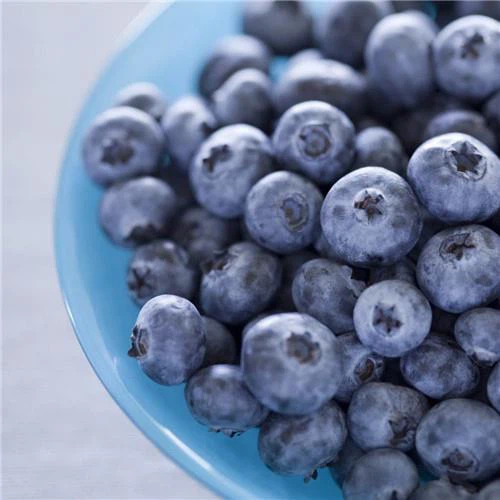
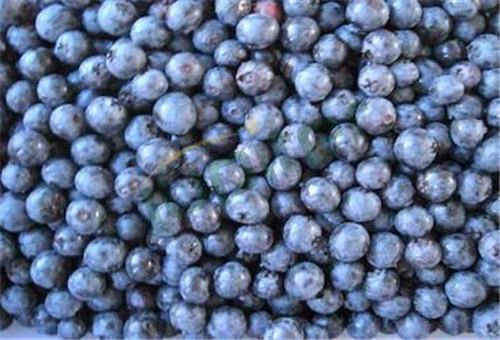
But here's the thing: the actual amount of sugar in frozen fruits is pretty much the same as in fresh fruits. For example, a cup of fresh blueberries and a cup of Frozen Blueberry IQF will have a similar amount of natural sugars. The freezing process doesn't change the chemical composition of the fruit, so the sugar levels stay consistent.
Let's take a look at some common fruits and their sugar content. Apples are a great example. A medium - sized fresh apple contains about 19 grams of sugar. If you freeze that apple and then measure the sugar content, it'll still be around 19 grams. The same goes for peaches. Whether you're munching on a fresh peach or some Frozen Yellow Peach Diced, the sugar content per serving is going to be comparable.
One thing to be aware of, though, is that some frozen fruits are sold with added sugars. This is often the case with fruits that are packed in syrup. The syrup adds extra sugar, which can significantly increase the overall sugar content. So, if you're concerned about sugar, make sure to check the label. Look for frozen fruits that are labeled "unsweetened" or "no added sugar."
As a frozen fruit supplier, I can tell you that there are some great benefits to choosing frozen fruits. For one, they're available year - round. You don't have to wait for the fruit to be in season to enjoy it. Whether it's the middle of winter or the height of summer, you can always have a supply of delicious frozen fruits on hand.
Frozen fruits are also very convenient. They're pre - washed and ready to eat. You can throw them into smoothies, use them as toppings for yogurt or oatmeal, or just eat them straight out of the bag. And because they're frozen, they have a long shelf life. You don't have to worry about them going bad quickly like fresh fruits.
In terms of nutrition, frozen fruits are just as good as fresh fruits. They retain most of their vitamins, minerals, and antioxidants during the freezing process. So, you're still getting all the health benefits when you choose frozen fruits.
Now, let's talk about some of the popular frozen fruits that we supply. Frozen Yellow Peach Halves are a favorite among our customers. They're perfect for making pies, cobblers, or just enjoying on their own. The yellow peaches are sweet and juicy, and the freezing process keeps them that way.
Our Frozen Blueberry IQF is another great option. Blueberries are known for their high antioxidant content, and our frozen blueberries are no exception. They're great for adding to smoothies or baking into muffins.
And then there are the Frozen Yellow Peach Diced. These are super versatile. You can use them in salads, desserts, or even as a topping for ice cream. The diced peaches are easy to work with and add a burst of flavor to any dish.
If you're a food manufacturer, a restaurant owner, or just someone who loves frozen fruits, we'd love to hear from you. Whether you're looking to add some frozen fruits to your product line, create new menu items, or just stock up your freezer at home, we've got you covered. We offer high - quality frozen fruits at competitive prices.
So, if you're interested in learning more about our frozen fruit products or want to discuss a potential purchase, don't hesitate to reach out. We're here to answer any questions you might have and help you find the perfect frozen fruits for your needs.
In conclusion, frozen fruits don't have more sugar than fresh fruits. The perceived increase in sweetness is due to factors like water loss and our taste buds' response to cold. And with all the benefits they offer in terms of convenience, availability, and nutrition, frozen fruits are a great choice for anyone.
References
- USDA FoodData Central
- Journal of Food Science
- American Journal of Clinical Nutrition