

Hey there! As a food additive supplier, I've been in the business long enough to know all about the common types of food additives out there. In this blog, I'll walk you through the most frequently used ones, and along the way, I'll share some of the great products we offer.
Preservatives
Preservatives are like the guardians of the food world. They keep our food fresh and safe to eat for longer periods. One of the most well - known preservatives is sodium benzoate. It's often used in acidic foods and beverages, such as fruit juices, pickles, and salad dressings. Sodium benzoate works by inhibiting the growth of bacteria, yeast, and mold. Another common preservative is potassium sorbate. It's great for preserving baked goods, cheese, and wine. It stops the growth of fungi, which can spoil these types of foods.
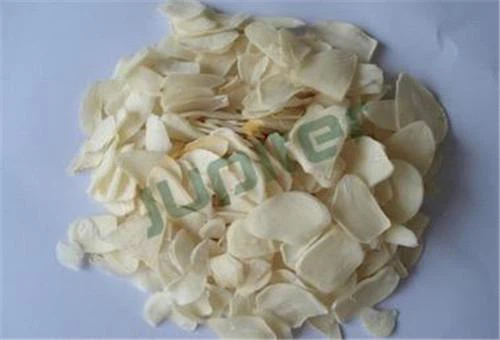
We at our supply business take pride in offering high - quality natural preservatives. For example, our Dehydrated Garlic Flakes not only add a delicious flavor to your food but also have some natural antibacterial properties. Garlic has been used for centuries in cooking not just for taste but also for its ability to keep food from going bad quickly.
Flavor Enhancers
Let's talk about making food taste better. That's where flavor enhancers come in. Monosodium glutamate (MSG) is probably the most famous one. It's a salt that enhances the umami flavor in food. You'll often find it in Asian cuisine, like in soups, stir - fries, and snack foods. MSG gives a savory, rich taste that makes your taste buds dance.
But there are also natural flavor enhancers. Our Organic Dehydrated Ginger Flakes are a fantastic option. Ginger has a unique, spicy, and slightly sweet flavor that can liven up any dish. Whether you're making a curry, a marinade, or a dessert, these ginger flakes can take the flavor to the next level.
Colorants
We eat with our eyes first, right? That's why colorants are so important in the food industry. They make food look more appealing. There are both natural and artificial colorants. Natural colorants are derived from plants, animals, or minerals. For example, beta - carotene, which comes from carrots, is used to give food an orange - yellow color. It's often found in margarine, cheese, and some beverages.
Artificial colorants, on the other hand, are made in a lab. They're more consistent in color and often cheaper to produce. But there has been some debate about their safety. At our supply company, we focus on providing natural color - enhancing options. Our Dehydrated Garlic Powder can also add a bit of a natural golden - brown hue to your food while giving it a great garlicky flavor.

Emulsifiers
Emulsifiers are like the peacemakers in the food world. They help mix two substances that normally don't mix well, like oil and water. Lecithin is a common emulsifier. It's found in egg yolks and soybeans. You'll see it in products like mayonnaise, salad dressings, and chocolate. Lecithin keeps the oil and water in these products from separating, so you get a smooth, consistent texture.
Stabilizers and Thickeners
Stabilizers and thickeners are used to give food the right texture. Agar - agar, which is derived from seaweed, is a popular stabilizer. It's used in desserts, like jellies and puddings, to give them a firm, jelly - like consistency. Another example is xanthan gum. It's used in many processed foods, like sauces and ice creams, to thicken them and prevent them from becoming too runny.
Sweeteners
Sweeteners are, of course, used to make food sweet. We all know about sugar, but there are also artificial sweeteners like aspartame and sucralose. These are much sweeter than sugar, so you need less of them. They're often used in diet drinks and low - calorie foods.
But for those who prefer natural sweeteners, we have options too. Honey is a great natural sweetener, and it also has some health benefits. It can be used in baking, in tea, or as a topping for yogurt.
Acidulants
Acidulants are used to adjust the acidity of food. Citric acid is a very common one. It's found in citrus fruits like lemons and oranges. You'll see it in soft drinks, candies, and canned fruits. Citric acid not only gives a tart flavor but also helps preserve the food by lowering its pH.
Antioxidants
Antioxidants are important for preventing the oxidation of food. Oxidation can cause food to go rancid, change color, and lose its flavor. Vitamin C and vitamin E are natural antioxidants. They're often added to oils, fats, and processed meats to keep them fresh.
As you can see, there are so many different types of food additives, each with its own important role. At our food additive supply business, we're committed to providing high - quality, safe, and effective food additives. Whether you're a small - scale food producer or a large - scale manufacturer, we have the products you need to make your food better.
If you're interested in learning more about our products or want to start a procurement discussion, don't hesitate to reach out. We're here to help you find the perfect food additives for your needs.
References
- "Food Additives: A Consumer's Guide" by Jane Doe
- "The Science of Food Additives" by John Smith
- Various industry reports and research papers on food additives.