

Frozen mashed garlic has become a staple in many kitchens due to its convenience and long shelf - life. One of the common concerns among consumers is whether it is high in sodium. As a supplier of frozen mashed garlic, I am here to provide in - depth insights into this topic.
Understanding Sodium in Food
Sodium is an essential mineral that plays a crucial role in maintaining fluid balance, nerve function, and muscle contraction in the human body. However, excessive sodium intake is associated with high blood pressure, heart disease, and stroke. The World Health Organization (WHO) recommends that adults should consume less than 2,000 mg of sodium per day, which is equivalent to about 5 grams of salt.
When it comes to food products, sodium can be added during processing for various reasons. It acts as a preservative, enhances flavor, and improves texture. In the case of frozen mashed garlic, the amount of sodium can vary depending on the manufacturing process and the specific recipe used.
Sodium Content in Frozen Mashed Garlic
In general, natural garlic itself contains very little sodium. A single clove of fresh garlic has only about 1 - 2 mg of sodium. However, when garlic is processed into frozen mashed garlic, the sodium content can increase.
Some manufacturers may add salt to frozen mashed garlic to enhance its flavor and extend its shelf - life. The amount of salt added can range from a small amount for a more natural - tasting product to a relatively large amount for a more savory and long - lasting option. On average, a 100 - gram serving of frozen mashed garlic may contain anywhere from 100 mg to 500 mg of sodium.
It's important to note that not all frozen mashed garlic products are high in sodium. There are many low - sodium or sodium - free options available on the market. As a supplier, we offer a range of frozen mashed garlic products, including those with minimal sodium addition. Our goal is to meet the diverse needs of our customers, whether they are health - conscious individuals or those who prefer a more traditional, saltier flavor.
Factors Affecting Sodium Content
Several factors can influence the sodium content in frozen mashed garlic.
- Manufacturing Process: Different manufacturing techniques can lead to varying sodium levels. For example, some processes may involve brining the garlic in a salt solution before mashing and freezing, which can significantly increase the sodium content. On the other hand, our company uses a gentle processing method that minimizes the need for excessive salt addition.
- Additives and Seasonings: Besides salt, other additives and seasonings used in the production of frozen mashed garlic can also contribute to the sodium content. Some products may contain sodium - based preservatives or flavor enhancers. We carefully select our ingredients to ensure that our frozen mashed garlic contains only the necessary amount of sodium for flavor and preservation.
- Target Market: The intended target market also plays a role in determining the sodium content. Products aimed at health - conscious consumers are likely to have lower sodium levels, while those targeted at the general market may have a more moderate sodium content to appeal to a wider range of taste preferences.
Comparing with Other Frozen Vegetables
When considering the sodium content of frozen mashed garlic, it's useful to compare it with other frozen vegetables.
- Frozen Whole Garlic Cloves: Since whole garlic cloves are less processed, they generally have a lower sodium content compared to mashed garlic. The natural sodium in whole garlic cloves remains relatively unchanged during the freezing process, usually less than 10 mg per 100 - gram serving.
- Frozen Mixed Pepper Sliced with Onion: This product may also have some sodium added during processing, but the amount can vary depending on the recipe. On average, a 100 - gram serving of frozen mixed pepper sliced with onion may contain around 150 - 300 mg of sodium, which is similar to some mid - range frozen mashed garlic products.
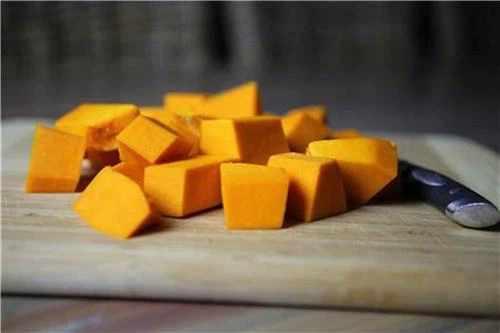
- Frozen Pumpkin Diced: Frozen pumpkin diced is often a low - sodium option. Without much salt addition, a 100 - gram serving may contain less than 50 mg of sodium.
Health Implications of Sodium in Frozen Mashed Garlic
For most people, consuming frozen mashed garlic in moderation is not a major concern in terms of sodium intake. However, for individuals with high blood pressure, heart disease, or those on a low - sodium diet, it's important to be mindful of the sodium content.
If you are watching your sodium intake, look for low - sodium or sodium - free frozen mashed garlic products. Reading the nutrition label carefully can help you make an informed decision. You can also use frozen mashed garlic in combination with other low - sodium ingredients to balance your overall sodium consumption.
Our Commitment as a Supplier
As a supplier of frozen mashed garlic, we are committed to providing high - quality products with a focus on health and nutrition. We understand the importance of sodium management in the diet, and we strive to offer a variety of options to meet the needs of our customers.

Our research and development team is constantly working on improving our manufacturing processes to reduce the sodium content without sacrificing flavor. We also provide clear and accurate nutrition information on our product labels, so that customers can make informed choices.
Conclusion
In conclusion, frozen mashed garlic is not necessarily high in sodium. While some products may have a relatively high sodium content due to added salt and seasonings, there are many low - sodium and sodium - free options available. As a supplier, we are dedicated to offering a range of frozen mashed garlic products that cater to different dietary needs and taste preferences.
If you are interested in our frozen mashed garlic products or have any questions about sodium content and nutrition, we encourage you to contact us for a procurement discussion. We look forward to working with you to meet your culinary and dietary requirements.
References
- World Health Organization. (2021). Guideline: Sodium intake for adults and children.
- U.S. Department of Agriculture, Agricultural Research Service. (2023). National Nutrient Database for Standard Reference.