

When it comes to the age - old debate of frozen fruits versus fresh fruits in terms of taste, there are numerous factors to consider. As a supplier of frozen fruits, I've had the privilege of closely observing and analyzing the taste profiles of both types of fruits over the years.
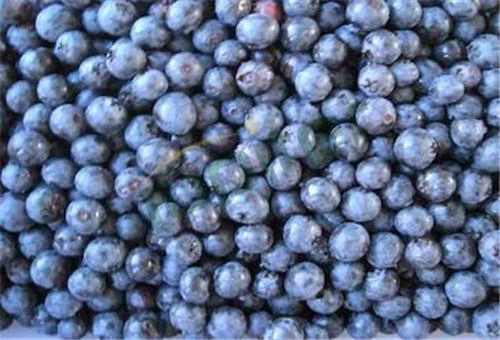
Let's first understand the process of freezing fruits. Individual Quick Freezing (IQF) is a common method used in our industry. It involves rapidly freezing each piece of fruit separately at extremely low temperatures. This process helps to preserve the natural structure and flavor of the fruit. For instance, our Frozen Strawberry IQF and Frozen Blueberry IQF are produced using this advanced technique.
Fresh Fruits: The Epitome of Natural Flavor
Fresh fruits are often lauded for their vibrant and immediate taste. When you bite into a fresh strawberry, for example, you're greeted with a burst of sweet - tart flavor that is both intense and complex. The natural sugars in fresh fruits are at their peak, and the texture is firm yet succulent. The aroma of fresh fruits is also a significant part of the tasting experience. The smell of a ripe, fresh peach can be intoxicating, adding an extra layer of enjoyment to the act of eating.
However, the taste of fresh fruits is highly dependent on factors such as ripeness, season, and storage conditions. A fruit that is not fully ripe may lack sweetness, while an over - ripe one can be mushy and overly sweet. Seasonality also plays a crucial role. For example, fresh cherries are only available for a short period each year. Outside of their peak season, the quality and taste of fresh cherries can be compromised.
Frozen Fruits: A Consistent Taste Experience
Frozen fruits, on the other hand, offer a more consistent taste experience throughout the year. Since they are typically frozen at the peak of their ripeness, they lock in the natural flavors and nutrients. When you open a bag of our Frozen Strawberry IQF, you can expect the same great taste every time, regardless of the season.
The freezing process does cause some changes in texture. Frozen fruits tend to be softer once thawed compared to their fresh counterparts. But this change in texture can be an advantage in certain applications. For example, in smoothies, the softer texture of frozen fruits blends more easily, creating a creamier and more consistent drink.
In terms of flavor, frozen fruits can sometimes have a more concentrated taste. This is because the freezing process can break down some of the cell walls in the fruit, releasing more of the flavor compounds. When making a fruit sauce or a pie filling with frozen fruits, the concentrated flavor can result in a more intense and delicious end - product.

Taste Comparison in Different Applications
Smoothies
As mentioned earlier, frozen fruits are a popular choice for smoothies. Their pre - chilled state means you don't need to add ice, which can dilute the flavor. The concentrated flavor of frozen fruits also makes the smoothie taste richer and more flavorful. For example, a strawberry - banana smoothie made with frozen strawberries and bananas will have a more intense strawberry and banana flavor compared to one made with fresh fruits. The soft texture of the thawed frozen fruits blends seamlessly, creating a thick and creamy consistency that is highly desirable.
Baking
In baking, both fresh and frozen fruits have their place. Fresh fruits can add a beautiful, natural look to a pie or a tart. However, they can release a lot of moisture during baking, which may result in a soggy crust. Frozen fruits, on the other hand, are less likely to cause this problem. They hold their shape better during baking and can provide a more even distribution of flavor. For example, when making a blueberry muffin, using frozen blueberries can prevent the blueberries from sinking to the bottom and ensure that each bite has a burst of blueberry flavor.
Snacking
For direct snacking, fresh fruits are often the preferred choice due to their appealing texture. The crispness of an apple or the juiciness of a grape is hard to beat. But frozen fruits can also be a great snack option, especially when you want a refreshing treat. Frozen grapes, for example, are a popular and healthy snack. They have a unique, icy texture that is both refreshing and satisfying.
Nutritional Considerations and Taste
It's important to note that the nutritional value of fruits can also impact taste. Fruits are rich in vitamins, minerals, and antioxidants, which contribute to their overall flavor profile. Both fresh and frozen fruits retain a significant amount of their nutritional value. However, frozen fruits are often frozen soon after harvest, which can help to preserve more of the nutrients compared to fresh fruits that may have been transported long distances or stored for an extended period.
The presence of these nutrients can enhance the taste of fruits. For example, vitamin C in citrus fruits gives them their characteristic tartness, while antioxidants can contribute to the complex flavors in berries. Since frozen fruits can retain more of these nutrients, they can offer a more nutritionally - rich and flavorful experience.
Conclusion
In conclusion, both fresh and frozen fruits have their unique taste characteristics. Fresh fruits offer the immediate, vibrant taste and appealing texture that many people love, especially for direct snacking. However, their taste can be inconsistent due to factors like seasonality and ripeness.
Frozen fruits, on the other hand, provide a consistent taste experience throughout the year. They have a more concentrated flavor and a texture that can be an advantage in many applications such as smoothies and baking. As a supplier of high - quality frozen fruits, I believe that frozen fruits are a great option for those who want to enjoy the taste of fruits regardless of the season.
If you're interested in exploring the delicious world of our frozen fruits, I encourage you to reach out for a procurement discussion. We can provide you with samples and detailed information about our products. Let's work together to bring the best - tasting frozen fruits to your market.
References
- Kader, A. A. (2002). Postharvest technology of horticultural crops. University of California, Davis.
- Barrett, D. M., Beaulieu, J. C., & Shewfelt, R. L. (2010). Fresh - cut fruits and vegetables. Springer Science & Business Media.
- Watada, A. E., & Qi, X. (1999). Quality of fresh - cut produce as affected by processing, packaging, and distribution. Critical Reviews in Food Science and Nutrition, 39(1), 1 - 49.