

When it comes to fruits, one of the most common concerns for consumers and suppliers alike is shelf - life. As a supplier of frozen fruits, I often get asked the question: "Do frozen fruits have a longer shelf - life than fresh fruits?" In this blog, I'll delve into the science behind the shelf - life of both frozen and fresh fruits and explain why frozen fruits can be a great option for those looking for a longer - lasting fruit supply.
Understanding the Shelf - Life of Fresh Fruits
Fresh fruits are a delight. They are full of vitamins, minerals, and natural flavors. However, their shelf - life can be quite limited. This is mainly due to three factors: respiration, microbial growth, and enzymatic activity.
Respiration is a natural process in which fruits take in oxygen and release carbon dioxide. This process continues even after the fruit is harvested. As fruits respire, they break down stored carbohydrates, which leads to a loss of flavor, texture, and nutritional value. The rate of respiration varies depending on the type of fruit. For example, berries have a relatively high respiration rate, which means they spoil quickly.
Microbial growth is another major factor that affects the shelf - life of fresh fruits. Bacteria, yeasts, and molds can easily grow on the surface of fruits, especially in warm and humid conditions. These microorganisms can cause the fruit to rot, develop off - flavors, and become unsafe to eat.
Enzymatic activity is also crucial. Fruits contain enzymes that are responsible for various biochemical reactions. For instance, the enzyme polyphenol oxidase causes browning in apples and bananas when they are cut or bruised. This not only affects the appearance of the fruit but also its nutritional quality.
The combination of these factors means that fresh fruits typically have a short shelf - life. Most fresh berries, for example, will only last 2 - 3 days in the refrigerator, while apples can last a few weeks.
The Science of Freezing Fruits
Freezing is a well - established method of food preservation. When fruits are frozen, the water inside the cells turns into ice. This ice formation has several effects that contribute to the longer shelf - life of frozen fruits.
Firstly, freezing significantly slows down the rate of respiration. Since the metabolic processes in the fruit are largely halted at low temperatures, the breakdown of carbohydrates and other nutrients is minimized. This means that the flavor, texture, and nutritional value of the fruit are better preserved over time.
Secondly, freezing inhibits microbial growth. Most bacteria, yeasts, and molds cannot grow at the low temperatures of a freezer. While some microorganisms may survive in a frozen state, they are unable to multiply and cause spoilage.
Finally, freezing also slows down enzymatic activity. Enzymes are proteins that function best within a specific temperature range. At freezing temperatures, the activity of these enzymes is greatly reduced, preventing the biochemical reactions that lead to browning, softening, and other quality changes in the fruit.
Comparing the Shelf - Life
Let's look at some specific examples to illustrate the difference in shelf - life between fresh and frozen fruits.
Take strawberries as an example. Fresh strawberries are highly perishable. They are best consumed within 2 - 3 days of purchase if stored in the refrigerator. After this time, they start to develop mold, become mushy, and lose their flavor. In contrast, Frozen Strawberry IQF can last up to 12 months in the freezer. This extended shelf - life allows consumers to enjoy strawberries year - round, regardless of the season.
Another example is peaches. Fresh peaches have a relatively short shelf - life of about 3 - 5 days at room temperature and up to 1 - 2 weeks in the refrigerator. Once they start to over - ripen, they become soft and prone to spoilage. On the other hand, Frozen Yellow Peach Diced and Frozen Yellow Peach Halves can be stored in the freezer for 8 - 12 months. This makes them a convenient option for food manufacturers, restaurants, and consumers who want to use peaches in their recipes at any time.
Other Advantages of Frozen Fruits
In addition to their longer shelf - life, frozen fruits offer several other advantages.
One of the main benefits is convenience. Frozen fruits are pre - washed, pre - cut, and ready to use. This saves time and effort for consumers, especially those with busy lifestyles. They can simply take the frozen fruit out of the freezer and use it in smoothies, desserts, or as a topping for yogurt.
Frozen fruits are also a great option for those who want to reduce food waste. Since they have a longer shelf - life, there is less chance of the fruit going bad before it can be consumed. This is not only good for the environment but also for the consumer's wallet.
From a nutritional perspective, frozen fruits can be just as healthy as fresh fruits. While some nutrients may be lost during the freezing process, especially if the fruit is not properly blanched before freezing, many vitamins and minerals are still retained. In fact, frozen fruits are often picked at the peak of ripeness and frozen quickly, which means they can sometimes contain higher levels of nutrients than fresh fruits that have been transported long distances and stored for several days.
Conclusion
In conclusion, frozen fruits do have a longer shelf - life than fresh fruits. The process of freezing slows down respiration, inhibits microbial growth, and reduces enzymatic activity, all of which contribute to the preservation of the fruit's quality over time. This extended shelf - life, combined with the convenience, reduced food waste, and nutritional benefits, makes frozen fruits an attractive option for consumers, food manufacturers, and restaurants.

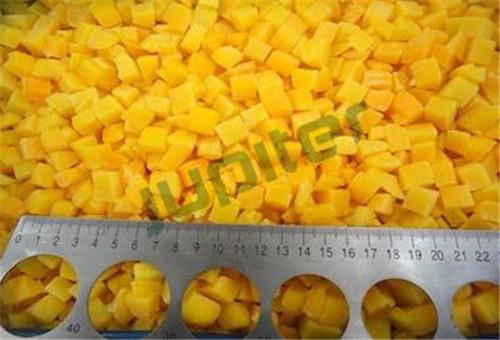
If you're interested in purchasing high - quality frozen fruits for your business or personal use, I encourage you to reach out to discuss your specific needs. We offer a wide range of frozen fruit products, including Frozen Yellow Peach Diced, Frozen Strawberry IQF, and Frozen Yellow Peach Halves. Let's start a conversation about how we can meet your requirements.
References
- Kader, A. A. (2002). Postharvest Technology of Horticultural Crops. University of California, Davis.
- Fellows, P. J. (2000). Food Processing Technology: Principles and Practice. CRC Press.
- Heldman, D. R., & Hartel, R. W. (1997). Principles of Food Processing. Aspen Publishers.