

As a supplier of Frozen Leek Rings, I often get asked whether it's possible for individuals to grow their own leeks and then turn them into frozen leek rings. The short answer is yes, but there are several aspects to consider, from cultivation to the freezing process.
Growing Your Own Leeks
Selecting the Right Variety
Leeks come in various varieties, each with its own characteristics such as size, flavor, and hardiness. Some popular varieties for home gardening include 'American Flag', which is known for its large size and mild flavor, and 'Blue Solaise', which has a more robust taste and is suitable for cooler climates. When choosing a variety, consider your local climate and soil conditions. For instance, if you live in an area with a shorter growing season, you might want to select an early - maturing variety.
Preparing the Soil
Leeks thrive in well - drained, fertile soil with a pH between 6.0 and 7.0. Start by preparing the soil in early spring. Remove any weeds and add organic matter such as compost or well - rotted manure. This will improve the soil structure and provide essential nutrients for the leeks. Till the soil to a depth of about 12 inches to ensure good root penetration.
Planting
Leeks can be started from seeds indoors about 8 - 10 weeks before the last frost date. Sow the seeds in trays filled with seed - starting mix and keep them in a warm, sunny location. Once the seedlings are about 4 - 6 inches tall, they can be transplanted outdoors. Space the leek seedlings about 6 inches apart in rows that are 12 - 18 inches apart. To encourage long, white shafts, you can hill up the soil around the base of the plants as they grow.
Care and Maintenance
Leeks require regular watering, especially during dry periods. Aim to keep the soil consistently moist but not waterlogged. Fertilize the leeks every few weeks with a balanced fertilizer to promote healthy growth. Keep an eye out for pests such as onion thrips and leek moths, and take appropriate measures to control them, such as using insecticidal soaps or companion planting.
Harvesting
Leeks are usually ready for harvest 100 - 120 days after transplanting. You can start harvesting when the leeks are about 1 - 2 inches in diameter. To harvest, gently loosen the soil around the base of the leek with a garden fork and pull it out.
Making Frozen Leek Rings
Preparation
Once you have harvested your leeks, it's time to prepare them for freezing. Start by trimming the roots and the dark green tops of the leeks. Wash the leeks thoroughly under running water to remove any dirt or sand. Leeks can trap a lot of dirt between their layers, so it's important to be thorough. Cut the leeks into 1/4 - 1/2 inch thick rings.
Blanching
Blanching is a crucial step in the freezing process. It helps to stop enzyme activity, which can cause the leeks to lose color, flavor, and nutrients over time. Bring a large pot of water to a boil and add the leek rings. Boil them for 2 - 3 minutes, then quickly transfer them to a bowl of ice water to stop the cooking process. Drain the leek rings well after blanching.
Freezing
There are a few different methods for freezing leek rings. You can place the blanched and drained leek rings in freezer - safe bags or containers. Remove as much air as possible from the bags before sealing them. Another option is to spread the leek rings in a single layer on a baking sheet and freeze them until solid. Then transfer the frozen leek rings to a freezer bag. This method, known as flash freezing, helps to prevent the leek rings from sticking together.
Comparing Home - Made vs. Commercially - Produced Frozen Leek Rings
Quality and Consistency
Commercially - produced frozen leek rings, like the ones we supply, are often grown under controlled conditions to ensure consistent quality. Our farmers follow strict cultivation practices, and the leeks are harvested at the optimal time for freezing. This results in leek rings that have a uniform size, color, and flavor. On the other hand, home - grown leeks may vary in size and quality depending on the growing conditions and the gardener's experience.
Safety and Hygiene
We adhere to strict food safety standards in our production process. Our leek rings are washed, blanched, and frozen in a clean and regulated environment. This reduces the risk of contamination and ensures that the product is safe for consumption. When making frozen leek rings at home, it's important to follow proper hygiene practices, such as washing your hands and utensils thoroughly.
Convenience
As a supplier of Frozen Leek Rings, we offer a convenient solution for consumers. Our products are readily available and can be easily stored in the freezer for long periods. You don't have to go through the time - consuming process of growing, harvesting, and freezing your own leeks. However, growing your own leeks can be a rewarding experience, especially for those who enjoy gardening.

Other Frozen Vegetable Options
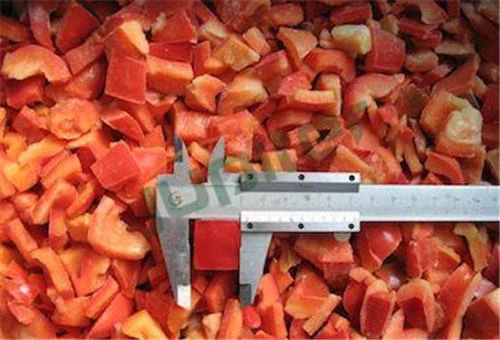
If you're interested in exploring other frozen vegetable options, we also offer a range of high - quality products. For example, our Frozen Edamame Salad is a delicious and nutritious option that combines edamame beans with other fresh vegetables. Our Frozen Green Pepper Diced and Frozen Red Pepper Cubes are perfect for adding color and flavor to your dishes.
Conclusion
In conclusion, it is possible to grow your own leeks and make frozen leek rings at home. It can be a fun and rewarding project, especially for those with a green thumb. However, if you're looking for convenience, consistent quality, and a wide range of frozen vegetable options, consider purchasing our Frozen Leek Rings and other products. We are committed to providing the highest quality frozen vegetables to meet your needs.
If you're interested in purchasing our Frozen Leek Rings or other frozen vegetable products, we invite you to reach out to us for a procurement discussion. We look forward to serving you and helping you add delicious and nutritious frozen vegetables to your menu.
References
- "The Vegetable Gardener's Bible" by Edward C. Smith
- "Frozen Food Technology" by Donald K. Salunkhe and Shyam S. Kadam