

Are frozen fruits a good source of vitamin C?

As a supplier of frozen fruits, I often get asked about the nutritional value of our products, especially when it comes to vitamin C. Vitamin C is an essential nutrient that plays a crucial role in many bodily functions, including immune system support, collagen synthesis, and antioxidant protection. In this blog post, I'll explore whether frozen fruits are a good source of vitamin C and why they can be a great addition to your diet.
First, let's understand how vitamin C content is affected during the freezing process. When fruits are fresh, they naturally contain vitamin C. However, the vitamin C content can start to degrade over time due to exposure to air, light, and heat. Freezing fruits helps to slow down this degradation process. Immediately after harvest, fruits are quickly frozen, which locks in much of their nutritional value, including vitamin C.
Many popular frozen fruits are indeed rich in vitamin C. For example, strawberries are well - known for their high vitamin C content. Our Frozen Strawberry IQF retains a significant amount of vitamin C. A single cup of fresh strawberries provides about 85 milligrams of vitamin C, which is more than the recommended daily intake for women (75 mg) and close to that for men (90 mg). When strawberries are frozen properly, they can still offer a substantial dose of this vital nutrient.
Blueberries are another excellent source of vitamin C. Our Frozen Blueberry IQF is a powerhouse of nutrition. One cup of fresh blueberries contains around 14 milligrams of vitamin C. The freezing process helps preserve this vitamin C, allowing you to enjoy the health benefits even when fresh blueberries are out of season.
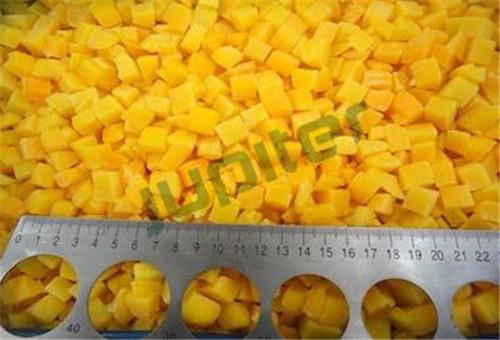
Peaches also contain vitamin C, and our Frozen Yellow Peach Diced is no exception. While the vitamin C content in peaches is not as high as in strawberries or blueberries, it still contributes to your overall vitamin C intake. A medium - sized fresh peach has about 10 milligrams of vitamin C, and the frozen version maintains a good portion of this amount.
There are several advantages to choosing frozen fruits as a source of vitamin C. One of the main benefits is their availability. Fresh fruits are often seasonal, which means you may not be able to get them year - round. Frozen fruits, on the other hand, are available at any time. You can have access to vitamin C - rich fruits like strawberries and blueberries even during the winter months when fresh ones are scarce or expensive.
Another advantage is the convenience. Frozen fruits are pre - washed and ready to use. You can simply take them out of the freezer and add them to smoothies, yogurt, or baked goods. This makes it easier to incorporate vitamin C - rich foods into your daily diet.
In addition, frozen fruits can be more cost - effective. Since they are often sourced in bulk and frozen at the peak of their freshness, they can be more affordable than fresh fruits, especially when they are out of season. This allows you to get your daily dose of vitamin C without breaking the bank.
It's important to note that the vitamin C content in frozen fruits can vary depending on factors such as the fruit variety, the freezing method, and the storage conditions. For example, if the fruits are not frozen quickly enough after harvest, more vitamin C may be lost. Similarly, if the frozen fruits are stored at a temperature that is too high or if they are thawed and refrozen multiple times, the vitamin C content can decrease.
To get the most vitamin C from frozen fruits, it's best to choose high - quality products from a reliable supplier. At our company, we follow strict quality control measures to ensure that our frozen fruits retain as much vitamin C as possible. We use advanced freezing techniques that quickly lower the temperature of the fruits, minimizing the loss of nutrients.
We also store our frozen fruits at optimal temperatures to maintain their nutritional value. Our storage facilities are equipped with state - of - the - art temperature control systems that keep the fruits at a constant, cold temperature, preventing vitamin C degradation.
In conclusion, frozen fruits can be an excellent source of vitamin C. They offer many benefits, including year - round availability, convenience, and cost - effectiveness. Whether you're looking to boost your immune system, support collagen production, or simply add more antioxidants to your diet, incorporating frozen fruits like our Frozen Strawberry IQF, Frozen Blueberry IQF, and Frozen Yellow Peach Diced into your meals is a great idea.
If you're interested in purchasing our high - quality frozen fruits for your business or personal use, we'd love to have a conversation with you. We can discuss your specific needs, provide samples, and offer competitive pricing. Contact us to start a procurement discussion and discover how our frozen fruits can be a valuable addition to your offerings.
References
- "The Nutritional Value of Fruits and Vegetables," USDA Agricultural Research Service
- "Vitamin C: Fact Sheet for Consumers," National Institutes of Health Office of Dietary Supplements