

Antioxidants play a crucial role in food additives, and as a food additive supplier, I've seen firsthand how they work and why they're so important. In this blog, I'll break down the mechanism of action of antioxidants in food additives, so you can understand how they help keep your food fresh and safe.
What Are Antioxidants?
Let's start with the basics. Antioxidants are substances that can prevent or slow damage to cells caused by free radicals. Free radicals are unstable molecules produced by the body during normal metabolism or by external factors like pollution, radiation, and smoking. These free radicals can cause oxidative stress, which has been linked to various health problems, including cancer, heart disease, and aging.
In the context of food, free radicals can cause spoilage, such as rancidity in fats and oils, color changes, and off - flavors. Antioxidants in food additives help to counteract these effects, extending the shelf - life of food products and maintaining their quality.
How Do Antioxidants Work?
There are several ways antioxidants work in food additives.
1. Radical Scavenging
One of the primary mechanisms is radical scavenging. Antioxidants can donate an electron or a hydrogen atom to a free radical, stabilizing it and preventing it from causing further damage. For example, phenolic antioxidants like tocopherols (vitamin E) can react with free radicals. When a free radical attacks a lipid molecule in food, it can start a chain reaction that leads to lipid peroxidation. Tocopherols can interrupt this chain reaction by reacting with the lipid - derived free radicals. They donate a hydrogen atom to the free radical, forming a stable tocopheroxyl radical. This tocopheroxyl radical is relatively stable and doesn't propagate the chain reaction.
2. Metal Chelation
Some antioxidants work by chelating metals. Metals like iron and copper can catalyze the formation of free radicals in food. For instance, iron can react with hydrogen peroxide to produce highly reactive hydroxyl radicals through the Fenton reaction. Antioxidants such as citric acid and ethylenediaminetetraacetic acid (EDTA) can bind to these metal ions, preventing them from participating in the free - radical - generating reactions. By sequestering the metals, these antioxidants reduce the rate of oxidative processes in food.
3. Enzyme Inhibition
Certain antioxidants can inhibit enzymes that are involved in the generation of free radicals. For example, some natural antioxidants can inhibit lipoxygenase, an enzyme that catalyzes the oxidation of unsaturated fatty acids. By blocking the action of lipoxygenase, these antioxidants reduce the formation of lipid hydroperoxides, which are precursors to more reactive free radicals and contribute to the development of off - flavors and rancidity in food.
Types of Antioxidants Used in Food Additives
Natural Antioxidants
- Vitamins: Vitamin C (ascorbic acid) and vitamin E (tocopherols) are well - known natural antioxidants. Vitamin C is water - soluble and can work in the aqueous phase of food, while vitamin E is fat - soluble and is effective in protecting lipids. For example, in fruit juices, vitamin C can prevent the oxidation of pigments and flavor compounds, maintaining the color and taste of the juice.
- Herbs and Spices: Many herbs and spices are rich in antioxidants. For instance, rosemary contains compounds like carnosic acid and rosmarinic acid, which have strong antioxidant properties. These antioxidants can be extracted and used as natural food additives. Rosemary extract is often used in meat products to prevent lipid oxidation and extend their shelf - life.
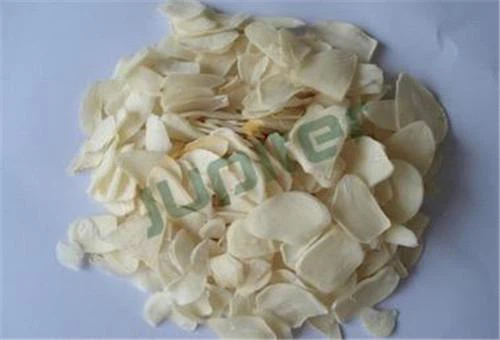
- Garlic - Based Products: Garlic is a great source of antioxidants. Dehydrated Garlic Powder, Dehydrated Garlic Flakes, and Organic Dehydrated Garlic Flakes / Granulates / Powder contain sulfur - containing compounds such as allicin, which has antioxidant, antibacterial, and anti - inflammatory properties. These garlic - based products can be added to a variety of foods, from soups and sauces to baked goods, to provide antioxidant protection and enhance flavor.
Synthetic Antioxidants
- Butylated Hydroxyanisole (BHA) and Butylated Hydroxytoluene (BHT): These are synthetic phenolic antioxidants. They are widely used in the food industry because they are effective in preventing lipid oxidation in fats, oils, and fatty foods. BHA and BHT work by donating a hydrogen atom to free radicals, similar to natural phenolic antioxidants. However, there have been some concerns about their safety, and in some regions, their use is restricted.
- Propyl Gallate: It is another synthetic antioxidant used to prevent oxidation in fats and oils. Propyl gallate can react with free radicals and also chelate metal ions, providing dual - mode protection against oxidative spoilage.
Benefits of Using Antioxidants in Food Additives
- Extended Shelf - Life: By preventing oxidative spoilage, antioxidants can significantly extend the shelf - life of food products. This reduces food waste and allows manufacturers to distribute their products over longer distances and time periods.
- Maintained Quality: Antioxidants help to maintain the color, flavor, and nutritional value of food. For example, in nuts, antioxidants can prevent the development of rancid flavors, keeping the nuts fresh - tasting for a longer time.
- Enhanced Safety: By reducing the formation of potentially harmful oxidation products, antioxidants contribute to the safety of food. Oxidation products like aldehydes and ketones can not only affect the taste and smell of food but also have potential health risks.
Our Offerings as a Food Additive Supplier
As a food additive supplier, we offer a wide range of antioxidant - rich products. Our Dehydrated Garlic Powder is a convenient way to add antioxidant benefits and a delicious garlic flavor to your food products. It can be used in a variety of applications, from savory snacks to marinades.
Our Dehydrated Garlic Flakes are great for adding a more rustic garlic flavor. They can be used in soups, stews, and bread recipes.
And for those looking for organic options, our Organic Dehydrated Garlic Flakes / Granulates / Powder provide all the antioxidant benefits of garlic in an organic form, meeting the growing demand for natural and healthy food ingredients.
If you're interested in learning more about our antioxidant - rich food additives or want to discuss your specific needs, we're here to help. Whether you're a food manufacturer, a chef, or a distributor, we can work with you to find the right solutions for your products. Reach out to us to start a conversation about how our antioxidants can enhance the quality and shelf - life of your food.
Conclusion
Antioxidants are essential components of food additives. Their various mechanisms of action, including radical scavenging, metal chelation, and enzyme inhibition, help to prevent oxidative spoilage in food, maintain its quality, and extend its shelf - life. As a food additive supplier, we're committed to providing high - quality antioxidant products that can meet the diverse needs of the food industry. So, if you're in the market for top - notch food additives, don't hesitate to get in touch.

References
- Halliwell, B., & Gutteridge, J. M. C. (2015). Free Radicals in Biology and Medicine. Oxford University Press.
- Shahidi, F., & Zhong, Y. (2015). Natural Antioxidants in Human Health and Disease. Woodhead Publishing.
- Pokorny, J., Yanishlieva - Marinova, N., & Gordon, M. H. (2001). Antioxidants in Food: Practical Applications. Woodhead Publishing.