

As a supplier of fresh vegetables, I understand the importance of proper storage to maintain the quality and freshness of cut vegetables. In this blog, I will share some valuable tips on how to store cut fresh vegetables effectively.
1. Preparation Before Storage
Before storing cut vegetables, it's crucial to handle them properly during the cutting process. Start by washing the vegetables thoroughly under running water to remove dirt, pesticides, and bacteria. Use a clean cutting board and sharp knife to minimize damage to the vegetable cells, which can lead to faster spoilage. After cutting, pat the vegetables dry with a clean paper towel to remove excess moisture, as water can promote the growth of mold and bacteria.

2. Choosing the Right Containers
Selecting the appropriate containers is essential for storing cut fresh vegetables. Opt for airtight containers or resealable plastic bags to prevent air from entering and moisture from escaping. This helps to maintain the freshness and crispness of the vegetables. Glass containers are also a good choice as they are non - porous and do not absorb odors. Make sure the containers are clean and dry before placing the cut vegetables inside.
3. Different Storage Methods for Various Vegetables
Leafy Greens
Leafy greens such as lettuce, spinach, and kale are highly perishable. After cutting, place them in a container lined with a paper towel to absorb excess moisture. You can also add a slightly damp paper towel to keep the greens hydrated without making them too wet. Seal the container tightly and store it in the refrigerator's crisper drawer. The ideal temperature for storing leafy greens is between 32°F - 40°F (0°C - 4°C). This method can extend the shelf life of cut leafy greens for up to 3 - 5 days.
Root Vegetables
Root vegetables like carrots, radishes, and beets can be stored in a container filled with water. The water helps to keep the vegetables crisp and fresh. Change the water every 1 - 2 days to prevent the growth of bacteria. Another option is to wrap the cut root vegetables in a damp paper towel and place them in a plastic bag. Store them in the refrigerator at a temperature of around 35°F - 40°F (2°C - 4°C). They can last for about 1 - 2 weeks using these methods.
Cruciferous Vegetables
Cruciferous vegetables such as broccoli, cauliflower, and Brussels sprouts should be stored in an airtight container in the refrigerator. You can also place a piece of paper towel in the container to absorb moisture. These vegetables can be kept fresh for 3 - 5 days at a temperature of 32°F - 40°F (0°C - 4°C).
Onions and Garlic
Onions and garlic have a strong odor and can affect the taste of other vegetables if stored together. Cut onions can be stored in an airtight container in the refrigerator. For Fresh Red Onion 1 Kg Pack, it is recommended to use a container that can isolate its smell. Garlic can be stored in a cool, dry place or in the refrigerator. If you have Fresh Peeled Onion Vacuum Packing, the vacuum - sealed environment can significantly extend its shelf life.
Peppers
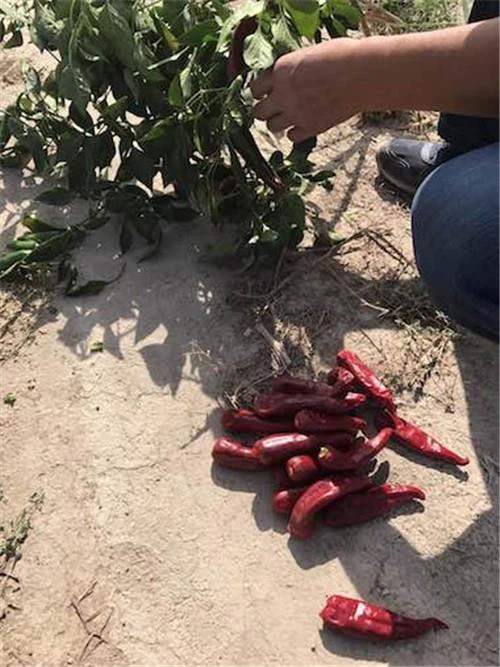
Peppers, whether sweet or hot like Fresh Red Chili Pepper, should be stored in an airtight container in the refrigerator. They can last for about 1 - 2 weeks at a temperature of 40°F - 45°F (4°C - 7°C).
4. Freezing Cut Vegetables
Freezing is a great option for long - term storage of cut vegetables. However, not all vegetables freeze well. Vegetables like corn, peas, and green beans are suitable for freezing. Blanch the cut vegetables in boiling water for a short period (usually 1 - 3 minutes) and then immediately transfer them to ice water to stop the cooking process. Pat them dry and place them in freezer - safe bags or containers. Label the containers with the name of the vegetable and the date of freezing. Frozen vegetables can last for several months, but the texture may change slightly after thawing.
5. Monitoring and Rotating
Regularly check the stored cut vegetables for signs of spoilage, such as mold, discoloration, or a foul smell. Remove any spoiled vegetables immediately to prevent the spread of bacteria to other vegetables. Additionally, practice the "first in, first out" principle. Use the vegetables that were cut first before using the newly cut ones to ensure freshness.
6. Importance of Proper Storage for Your Business
As a fresh vegetables supplier, proper storage of cut vegetables is not only crucial for maintaining the quality of our products but also for meeting the needs of our customers. By ensuring that the cut vegetables are stored correctly, we can reduce waste, improve customer satisfaction, and increase the shelf life of our products. This, in turn, helps to build a good reputation in the market and strengthen our business relationships.
If you are interested in purchasing our high - quality fresh vegetables, we welcome you to contact us for procurement discussions. We are committed to providing you with the freshest and best - stored cut vegetables to meet your requirements.
References
- USDA Food Safety and Inspection Service. (2023). Storage Times for Fresh Produce.
- University of California Agriculture and Natural Resources. (2022). Postharvest Handling of Vegetables.