

Frozen garlic cubes have become a popular choice in modern kitchens, offering convenience and long - term storage. As a supplier of frozen garlic cubes, I often get asked whether they have a different flavor profile than fresh garlic. In this blog post, I'll delve into the science and sensory aspects to answer this question.
The Flavor Components of Garlic
Garlic's distinct flavor comes from a complex mixture of sulfur - containing compounds. When fresh garlic is cut or crushed, an enzyme called alliinase acts on a compound called alliin, converting it into allicin. Allicin is the primary compound responsible for garlic's pungent, sharp, and slightly spicy flavor. It also has antibacterial and antioxidant properties.
Other sulfur - based compounds, such as diallyl disulfide and diallyl trisulfide, contribute to the overall aroma and flavor of garlic. These compounds are volatile, which means they can easily evaporate into the air, giving garlic its characteristic smell.
Flavor Preservation in Frozen Garlic Cubes
The process of freezing garlic cubes involves rapidly freezing fresh garlic cloves at extremely low temperatures. This quick - freezing technique, known as individual quick freezing (IQF), helps to preserve the cellular structure of the garlic. When garlic is frozen rapidly, ice crystals form quickly and are small in size. These small ice crystals minimize damage to the cell walls, which helps to retain the flavor - producing compounds.
However, the freezing process can still have some impact on the flavor. For instance, during freezing, the activity of the alliinase enzyme is halted. When the frozen garlic cubes are thawed, the enzyme slowly regains its activity. This means that the conversion of alliin to allicin might not occur as efficiently as in fresh garlic.
Sensory Differences
In terms of sensory perception, fresh garlic has a more intense and immediate flavor. When you crush or mince fresh garlic, the sharp, pungent aroma fills the air almost instantly. The flavor is upfront and can be quite overpowering, especially when used raw in dishes like salads or salsas.
On the other hand, frozen garlic cubes tend to have a milder flavor. The slower reactivation of the alliinase enzyme during thawing results in a more gradual release of allicin. This can make the flavor of frozen garlic seem less sharp and more mellow. Some people even find that the milder flavor of frozen garlic is more palatable, especially in dishes where a strong garlic flavor might be too dominant.
Another difference is in the texture. Fresh garlic has a firm and crisp texture, which can add a pleasant crunch to dishes. Frozen garlic cubes, once thawed, are softer and may have a slightly mushy texture. This can affect the mouthfeel of the dish, especially in recipes where the texture of the garlic is an important element.
Cooking with Frozen Garlic Cubes
Frozen garlic cubes are very versatile in the kitchen. They can be used in a wide variety of dishes, from soups and stews to stir - fries and pasta sauces. In cooked dishes, the difference in flavor between fresh and frozen garlic becomes less noticeable. When garlic is cooked, the heat breaks down the sulfur - containing compounds, and the flavor becomes more complex and rounded.
For example, in a slow - cooked tomato sauce, the mellow flavor of frozen garlic cubes blends well with the other ingredients. The long cooking time allows the flavors to meld together, and the milder garlic flavor doesn't overpower the sauce. Similarly, in a stir - fry, the frozen garlic cubes can release their flavor gradually as they cook, adding a subtle garlic note to the dish.

Comparing with Other Frozen Vegetables
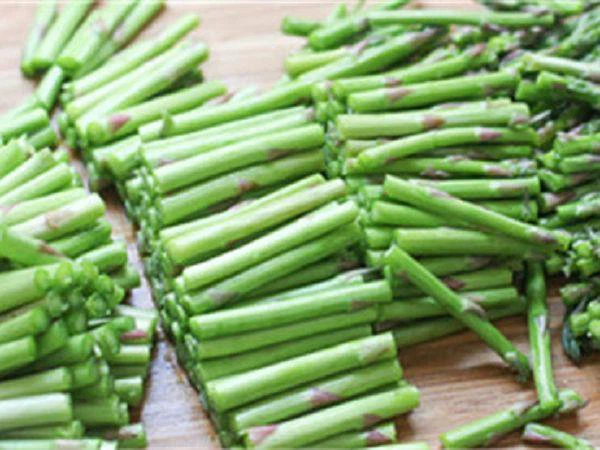
As a supplier of frozen food products, we also offer other frozen vegetables such as IQF Okra Whole Grade S, Frozen Red Onion Sliced, and Frozen Green Asparagus Tips and Cuts. Each of these vegetables has its own unique flavor profile, and the freezing process affects them in different ways.
Okra, for example, has a slimy texture when cooked fresh. Freezing okra can help to reduce this sliminess while still preserving its flavor. The flavor of frozen okra is similar to fresh okra but may be slightly milder.
Frozen red onion sliced retains much of its flavor and color. The freezing process helps to lock in the natural sugars in the onions, which can result in a sweeter flavor when cooked.
Frozen green asparagus tips and cuts have a similar flavor to fresh asparagus but with a more concentrated taste. The freezing process can enhance the natural flavors of the asparagus, making it a great addition to many dishes.
Quality Control in Frozen Garlic Cubes
At our company, we take quality control very seriously. We source only the freshest garlic cloves from trusted suppliers. The garlic is carefully cleaned, peeled, and chopped before being frozen using the IQF method. We also conduct regular quality checks to ensure that our frozen garlic cubes meet the highest standards.
Our quality control team tests the flavor, texture, and nutritional content of the frozen garlic cubes. We use advanced analytical techniques to measure the levels of flavor - producing compounds such as allicin. This ensures that our customers receive a consistent and high - quality product every time.
Conclusion
In conclusion, frozen garlic cubes do have a different flavor profile than fresh garlic. The freezing process affects the activity of the alliinase enzyme, resulting in a milder and more mellow flavor. However, this difference can be an advantage in many dishes, especially those where a less intense garlic flavor is desired.
Whether you're a home cook or a professional chef, frozen garlic cubes offer a convenient and flavorful alternative to fresh garlic. They are easy to store, have a long shelf life, and can be used in a wide variety of recipes.
If you're interested in exploring the world of frozen garlic cubes and our other frozen food products, we'd love to hear from you. Whether you're a restaurant owner looking to streamline your kitchen operations or a food distributor seeking high - quality products, we're here to help. Please reach out to us to start a conversation about your procurement needs.
References
- Block, E. (1985). The chemistry of garlic and onions. Scientific American, 252(3), 114 - 123.
- Martínez, M., & Whitaker, J. R. (1995). Stability of alliinase from garlic (Allium sativum L.) during frozen storage. Journal of Agricultural and Food Chemistry, 43(7), 1775 - 1779.
- Ramamurthy, R., & Kandaswamy, P. (2012). Effect of freezing on the quality attributes of selected vegetables. Journal of Food Science and Technology, 49(6), 731 - 736.