

As a food additive supplier, I often encounter questions from customers about the expiration dates of food additives. This topic is not only crucial for ensuring food safety but also for maintaining the quality of the end - products. In this blog, I'll delve into the science behind whether food additives have an expiration date and what factors influence it.
Understanding Food Additives
Food additives are substances added to food to preserve flavor, enhance taste, improve appearance, or extend shelf - life. They can be natural, like Organic Dehydrated Garlic Flakes / Granulates / Powder, or synthetic. Natural additives are derived from plants, animals, or minerals, while synthetic additives are chemically produced.
Do Food Additives Have an Expiration Date?
The short answer is yes, most food additives do have an expiration date. However, the concept of an expiration date for food additives is more complex than it might seem.
Chemical Stability
One of the primary reasons food additives have an expiration date is chemical stability. Over time, additives can undergo chemical reactions. For example, antioxidants, which are used to prevent the oxidation of fats and oils in food, can themselves oxidize. Once an antioxidant has oxidized, it loses its ability to protect the food from spoilage. Similarly, some flavoring agents can degrade through processes like hydrolysis or isomerization. These chemical changes not only reduce the effectiveness of the additive but can also produce unwanted by - products that may affect the taste, smell, or safety of the food.
Microbiological Growth
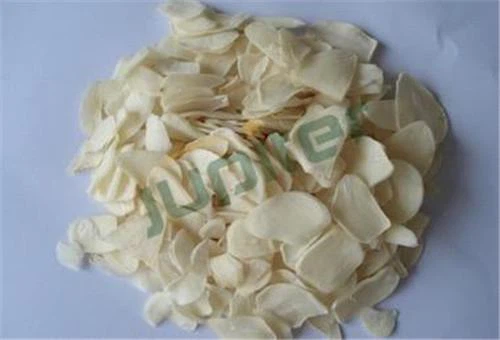
Microbiological growth is another factor. Although many food additives are used to inhibit the growth of microorganisms in food, they are not immune to contamination themselves. If a food additive is stored in improper conditions, such as high humidity or warm temperatures, it can become a breeding ground for bacteria, mold, or yeast. For instance, Dehydrated Garlic Flakes can be contaminated if not stored in a dry environment. Once contaminated, the additive may pose a health risk when added to food.
Physical Changes
Physical changes can also affect the quality of food additives. Some additives may absorb moisture from the air, leading to clumping or caking. This is particularly common in powdered additives. When an additive clumps, it becomes difficult to disperse evenly in the food, which can result in inconsistent flavor or texture in the final product. For example, Organic Dehydrated Ginger Flakes can lose their crispness and become less effective as a flavor enhancer if they absorb too much moisture.
Factors Affecting the Expiration Date of Food Additives
Storage Conditions
Storage conditions play a vital role in determining the expiration date of food additives. Additives should be stored in a cool, dry, and dark place. High temperatures can accelerate chemical reactions, while exposure to light can cause photodegradation of some additives. Humidity can lead to moisture absorption and microbiological growth. For example, if a food additive is stored in a warehouse with poor ventilation and high humidity, its shelf - life can be significantly reduced.
Packaging
The type of packaging also affects the expiration date. Additives should be packaged in materials that provide a barrier against oxygen, moisture, and light. For example, additives are often packaged in air - tight containers made of plastic or metal. Some additives may also be packaged in vacuum - sealed bags to prevent oxidation. If the packaging is damaged or not properly sealed, the additive is more likely to degrade quickly.
Purity of the Additive
The purity of the additive at the time of production can influence its expiration date. Impurities in an additive can act as catalysts for chemical reactions, accelerating the degradation process. For example, if an additive contains trace amounts of metals, these metals can catalyze oxidation reactions. Therefore, high - quality, pure additives generally have a longer shelf - life.
Determining the Expiration Date
Manufacturers determine the expiration date of food additives through a combination of stability testing and regulatory requirements.
Stability Testing
Stability testing involves storing samples of the additive under different conditions (such as different temperatures, humidity levels, and light exposure) for a specified period. The samples are then analyzed at regular intervals to monitor changes in their chemical composition, physical properties, and microbiological quality. Based on the results of these tests, manufacturers can estimate how long the additive will remain stable under normal storage conditions.
Regulatory Requirements
Regulatory agencies also play a role in setting expiration dates. In many countries, food additives must meet certain safety and quality standards. These standards often include requirements for labeling the expiration date. Manufacturers are required to conduct the necessary testing to ensure that their additives meet these standards throughout the stated shelf - life.
Importance of Adhering to the Expiration Date
Adhering to the expiration date of food additives is crucial for several reasons.
Food Safety
From a safety perspective, using expired food additives can pose a risk to consumers. As mentioned earlier, expired additives can produce harmful by - products or become contaminated with microorganisms. These can cause foodborne illnesses, such as nausea, vomiting, diarrhea, or more serious health problems in some cases.

Product Quality
In terms of product quality, using expired additives can lead to inconsistent or poor - quality food products. For example, if a flavoring agent has degraded, the food may not have the desired taste. This can lead to customer dissatisfaction and damage to the brand reputation of the food manufacturer.
How to Store Food Additives Properly
To maximize the shelf - life of food additives, proper storage is essential.
- Temperature: Store additives at the recommended temperature. Most additives should be stored at room temperature, but some may require refrigeration or freezing.
- Humidity: Keep additives in a dry environment. Use desiccants in storage containers if necessary to absorb excess moisture.
- Light: Protect additives from direct sunlight and other sources of light. Store them in opaque containers or in a dark storage area.
- Ventilation: Ensure proper ventilation in the storage area to prevent the build - up of moisture and odors.
Conclusion
In conclusion, food additives do have an expiration date, and it is influenced by chemical stability, microbiological growth, physical changes, storage conditions, packaging, and the purity of the additive. As a food additive supplier, I understand the importance of providing high - quality products with accurate expiration dates. We conduct rigorous stability testing to ensure that our additives meet the highest standards of safety and quality.
If you are in the food industry and are looking for reliable food additives, I encourage you to reach out for a purchase negotiation. We offer a wide range of food additives, including Organic Dehydrated Garlic Flakes / Granulates / Powder, Dehydrated Garlic Flakes, and Organic Dehydrated Ginger Flakes. Our team of experts can provide you with detailed information about the products, their expiration dates, and proper storage methods. Contact us to discuss your specific needs and how we can help you enhance the quality and safety of your food products.
References
- Codex Alimentarius Commission. (2001). General Standard for Food Additives.
- European Food Safety Authority. (2019). Scientific Opinion on the re - evaluation of [additive name] as a food additive.
- Food and Drug Administration. (2020). Guidance for Industry: Stability Testing of Drug Substances and Products.