

Do canned foods need to be heated before eating? This is a question that many consumers often ask, and as a canned food supplier, I'm here to provide a comprehensive answer based on scientific facts and practical considerations.
Understanding Canned Foods
Canned foods are a convenient and long - lasting option for consumers. The canning process involves sealing food in airtight containers and then heating them to a high temperature to kill bacteria, yeasts, and molds. This process, known as commercial sterilization, ensures that the food inside the can remains safe to eat for an extended period without the need for refrigeration until the can is opened.
When Heating is Not Necessary
Many canned foods are perfectly safe to eat straight out of the can. For instance, canned fruits like peaches, pineapples, and pears are often packed in syrup or their own juice. These fruits are pre - cooked during the canning process and can be enjoyed cold as a snack or added to desserts. Canned tuna and salmon are also ready - to - eat. They are cooked and preserved in the can, so you can use them in salads, sandwiches, or as a protein source in various recipes without heating.
Canned vegetables such as corn, green beans, and peas are another example. They are blanched and then canned, which means they are partially cooked. You can eat them cold, right from the can, or use them in cold salads. This is especially useful in hot weather or when you need a quick and easy meal.
When Heating is Recommended
However, there are several reasons why heating canned foods might be a good idea. First, heating can enhance the flavor of the food. Many canned foods have a more robust and appealing taste when heated. For example, canned soups, stews, and chili are often made with a variety of spices and ingredients. Heating these products allows the flavors to meld together, creating a more satisfying and delicious meal.
Second, heating can improve the texture of some canned foods. Canned beans, for instance, can be a bit firm when cold. Heating them can make them softer and more palatable. Similarly, canned pasta products may have a better consistency when heated, as the sauce thickens and the pasta becomes more tender.
Third, from a safety perspective, heating can be beneficial, especially if you are using canned foods in recipes that require further cooking. While canned foods are generally safe, there is always a small risk of contamination. Heating the food to a proper temperature (usually at least 74°C or 165°F) can kill any potential bacteria that may have entered the can during storage or handling.
Specific Examples of Canned Foods and Heating
Let's take a look at some specific canned foods and whether they need to be heated.
Canned Tomatoes: Canned tomatoes are a staple in many kitchens. You can use them cold in some recipes, such as salsa or gazpacho. However, for most Italian dishes like pasta sauces, pizzas, and stews, heating the canned tomatoes is essential. Heating helps to release their flavors and thickens the sauce, making it more suitable for cooking.
Canned Beans: As mentioned earlier, canned beans can be eaten cold in salads. But if you are making a bean soup, chili, or a bean - based casserole, heating the beans is recommended. This not only softens the beans but also allows them to absorb the flavors of the other ingredients in the dish.
Canned Meats: Canned meats like corned beef, ham, and chicken are often used in sandwiches and cold cuts. But if you want to use them in a hot dish, such as a meatloaf or a casserole, heating is necessary to ensure that the meat is cooked through and safe to eat.
Our Product Range and Heating Suggestions
As a canned food supplier, we offer a wide variety of products, each with its own heating requirements. For example, our canned soups are designed to be heated on the stovetop or in the microwave. Just follow the instructions on the label, and you'll have a delicious and comforting meal in minutes.
Our canned vegetables, such as Fresh Red Onion 1 Kg Pack, can be used either cold or heated. If you're making a stir - fry or a vegetable medley, heating the onions will bring out their natural sweetness and add a wonderful aroma to your dish.
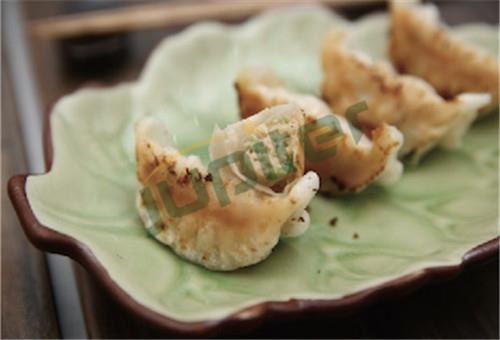
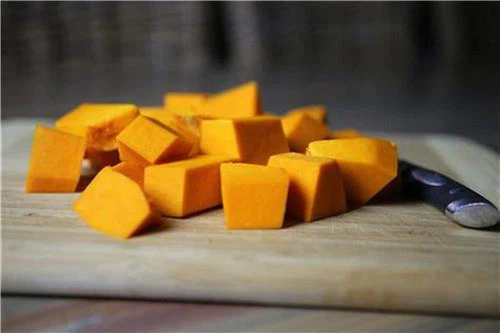
We also have a range of frozen products, including Frozen Pumpkin Diced and Frozen Beef and Kimchi Dumpling. These products should be heated before eating to ensure they are cooked thoroughly and safe.
Conclusion
In conclusion, whether canned foods need to be heated before eating depends on personal preference, the type of food, and the intended use. While many canned foods are safe and enjoyable to eat cold, heating can enhance the flavor, texture, and safety of the food in many cases.
If you're interested in our canned food products and would like to discuss purchasing options, we invite you to reach out to us for a detailed discussion. We are committed to providing high - quality canned foods that meet the diverse needs of our customers.
References
- "Principles of Food Science, Volume II: Food Technology". Fennema, Owen R.
- "Canning and Preserving at Home". Ball Publishing.