

Can food additives cause kidney problems? This is a question that has been debated for years, and as a food additive supplier, I feel compelled to address it. In this blog post, I will explore the relationship between food additives and kidney problems, separating fact from fiction based on scientific evidence.
First, let's understand what food additives are. Food additives are substances added to food to preserve flavor, enhance taste, improve appearance, or extend shelf - life. There are thousands of different food additives, and they can be classified into various categories such as preservatives, flavor enhancers, colorants, and emulsifiers.
Some common food additives that people often associate with health concerns include monosodium glutamate (MSG), artificial sweeteners, and certain preservatives. When it comes to kidney problems, the main concern is whether these additives can put extra stress on the kidneys or cause direct damage.
Monosodium Glutamate (MSG)
Monosodium Glutamate MSG is a well - known flavor enhancer. It has been the subject of much controversy over the years. Some people claim to experience "Chinese Restaurant Syndrome" after consuming MSG, with symptoms like headache, sweating, and numbness. However, numerous scientific studies have shown that MSG is safe for most people when consumed in normal amounts.
Regarding kidney problems, there is currently no conclusive evidence that MSG causes kidney damage. The human body naturally produces glutamate, and MSG is simply a sodium salt of glutamate. The kidneys are well - equipped to handle normal levels of sodium and glutamate in the diet. In fact, in a review of multiple studies published in the Journal of Food Science, researchers found that MSG does not have a significant negative impact on kidney function in healthy individuals.
Dehydrated Garlic Products
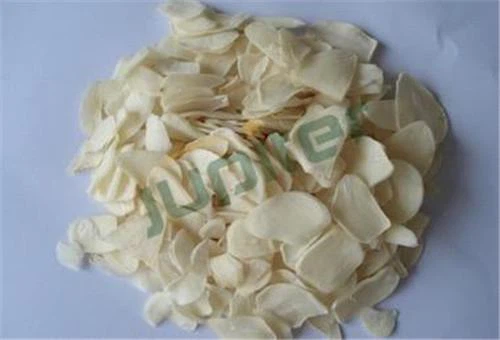
Dehydrated Garlic Granulate and Dehydrated Garlic Flakes are popular food additives used for flavoring. Garlic has many health benefits, including antioxidant and antibacterial properties. It also contains compounds like allicin, which has been shown to have positive effects on the cardiovascular system.
In terms of kidney health, garlic is generally considered beneficial. Some studies have suggested that garlic may help reduce blood pressure and cholesterol levels, which are risk factors for kidney disease. By improving overall cardiovascular health, garlic can indirectly support kidney function. There is no scientific basis to suggest that dehydrated garlic products, when used as normal food additives, can cause kidney problems.
Preservatives
Preservatives are used to prevent spoilage and extend the shelf - life of food. Some common preservatives include sodium benzoate, potassium sorbate, and sulfites. These substances have been extensively studied for their safety.

Sodium benzoate, for example, has been used in the food industry for decades. In normal amounts, it is considered safe by regulatory agencies such as the Food and Drug Administration (FDA). However, when combined with vitamin C in acidic conditions, it can form benzene, a known carcinogen. But this reaction occurs under very specific circumstances and is not a concern in most food products.
As for kidney problems, the kidneys are responsible for filtering and excreting various substances from the body. While high levels of some preservatives could potentially put extra stress on the kidneys, the levels used in food are strictly regulated. For example, the European Food Safety Authority (EFSA) sets maximum limits for the use of preservatives in food to ensure consumer safety.
Artificial Sweeteners
Artificial sweeteners like aspartame, sucralose, and saccharin are used as sugar substitutes in many low - calorie and sugar - free products. There have been concerns about their potential health effects, including an association with kidney problems.
However, multiple large - scale studies have found no evidence that artificial sweeteners cause kidney damage. For instance, a long - term cohort study published in the American Journal of Clinical Nutrition followed thousands of participants for several years and found no link between artificial sweetener consumption and kidney disease. The kidneys can metabolize and excrete these substances without significant problems in most cases.
Factors That Influence the Impact of Food Additives on Kidneys
It's important to note that the impact of food additives on kidney health can be influenced by several factors. These include:
- Individual Sensitivity: Some people may have a genetic predisposition or underlying health conditions that make them more sensitive to certain food additives. For example, individuals with pre - existing kidney disease may need to be more cautious about their sodium intake, as high - sodium additives could exacerbate their condition.
- Dosage: Like many substances, the dose makes the poison. Consuming extremely high amounts of food additives over a long period could potentially have negative effects on the kidneys. But this is not the case with normal food consumption, where additives are used in small, regulated amounts.
- Overall Diet: The overall diet plays a crucial role in kidney health. A diet high in processed foods, salt, and sugar, along with excessive consumption of food additives, can increase the risk of kidney problems. On the other hand, a balanced diet rich in fruits, vegetables, and whole grains can support kidney function.
Conclusion
In conclusion, based on current scientific evidence, food additives, when used within regulatory limits, are generally safe and do not cause kidney problems in most people. Common food additives such as MSG, dehydrated garlic products, preservatives, and artificial sweeteners have been extensively studied, and there is no conclusive proof of a direct link to kidney damage.
However, it's always important to maintain a balanced diet and be aware of individual sensitivities. If you have any concerns about your kidney health or the use of food additives, it's advisable to consult a healthcare professional.
As a food additive supplier, we are committed to providing high - quality and safe products. Our food additives are produced in strict accordance with international standards and regulations. We source the best ingredients and use advanced manufacturing processes to ensure the safety and efficacy of our products.
If you are interested in purchasing our food additives, such as Dehydrated Garlic Granulate, Monosodium Glutamate MSG, or Dehydrated Garlic Flakes, please feel free to contact us for more information and to start a procurement discussion. We look forward to serving you and meeting your food additive needs.
References
- Journal of Food Science, Review on the safety of MSG
- American Journal of Clinical Nutrition, Long - term cohort study on artificial sweeteners
- European Food Safety Authority (EFSA) reports on food preservatives
- Various studies on the health benefits of garlic and its impact on kidney function